Home Insurance for Fires & Fire Prevention Tips
Did you know that October is National Fire Prevention month? It is! Aside from reminding you to check your home insurance coverage, we want to help you with some safety tips you should be doing to prepare your home and family in the event of fire.
Would you be prepared? We have your go to Fire Prevention Check List:
Prepare your Family
What does this mean? Draw a map of your home to make yourself aware of the location of all of the doors and windows. Locate two ways out of each room and make sure the windows open easily. If a fire were to occur make sure you have a meeting place where the family would convene. It’s important to make sure this spot is far enough away from your home. Once you have a plan nailed down, practice with your family.
Fire drills aren’t just for work or school; you should also have a plan for your family and your home. The better 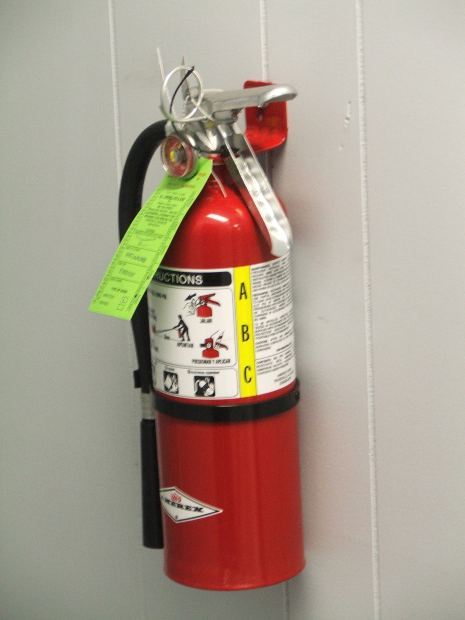 prepared your family is the less panic that will occur if you need to use your fire plan.
Prepare your Home
The number one thing you can do to prepare your home is have smoke detectors installed. Install smoke detectors on every floor of your home, in hallways, inside bedrooms and outside of sleeping areas. Be sure to test these smoke alarms once a month. It’s essential to have smoke detectors, but they’re only useful if you know they are working. Hint from your insurance agent: most insurance companies will offer an increased discount on your home insurance for installing a smoke detector that reports directly to your fire station or other central station.
Make sure your home has fire extinguishers. Having these in your home could help prevent a fire from growing. A small fire could stay a small fire if you had an extinguisher to put it out. The most common place for fires to begin in your home is the kitchen. Practice extreme caution in the kitchen. Never leave the kitchen unattended when cooking over an open flame and keep anything that could catch fire far away from the stove.
Local v Central Alarm System
In the “Prepare your Home” section above, we discussed the potential for an added discount with your insurance company if you have a fire alarm that is connected to your local fire station or other central alarm system. This central-station set up also provides services to monitor burglar and residential alarm systems and in some cases may also provide watchman and supervisory services.
Having this central alarm system in your home offers added protection for you and your family, but keep in mind if you have “false alarms” you could be charged. If your alarm goes off it is automatically alerting your local fire station and there’s a cost for responding to false alarms. The cost and rules on this depends on your community.
 A local fire alarm is the basic fire alarm installed in most homes. It is not directly connected to your police or fire station, but it’s job instead is to alarm you of a fire in your home.
Prepare Your Home Insurance Policy
Dwelling coverage on your home insurance would pay to repair or rebuild your home. Make sure you have enough coverage. Ask your agent about replacement cost basis v actual cash value. You will also want to see if you have extended replacement cost coverage which can add an additional 20% or more of insurance coverage over the limits of your policy. This is especially helpful if there is a widespread issue where the cost of re-building or materials increases.
Other Structures coverage pays to repair or rebuild structure that are not attached to your home. Things like a shed would not be included with your dwelling coverage. If you have other structures, make sure you have enough other structures coverage as well.
Loss of use coverage will help pay any additional expenses that are incurred from an incident such as a fire. If you have to move out of your home while repairs or rebuilding happens this coverage can help for hotel costs.
Ordinance or law coverage can help in the event your home is badly damaged and you may be required to rebuild it to meet new, often stricter standards. Ordinance or law coverage pays a specific amount toward these costs. If this sounds like something that may be an issue for you in the event of a re-build or repair needed, ask your agent about this coverage.
Personal Property coverage reimburses you for the personal items in your home. Once again, make sure you have replacement cost for this coverage. Actual cash value will not pay to replace items new, it takes depreciation of value into consideration.
Prepare Your Belongings
Create a home inventory that lists all personal property. Note the purchase price of items if possible or save receipts. You could also take a video of the inside of your home to help document your personal property. This will come in handy when making a claim after a loss. This will also help you decide if you have enough coverage for your belongings on your home insurance policy. It can also help assess if you need any specialty insurance if you come across jewelry, antiques, or other high priced items.
More questions about your insurance? Give us a call at 888.865.1244.There is no better time to prepare your home for a fire than National Fire Prevention Month.
Read More
Recent Comments