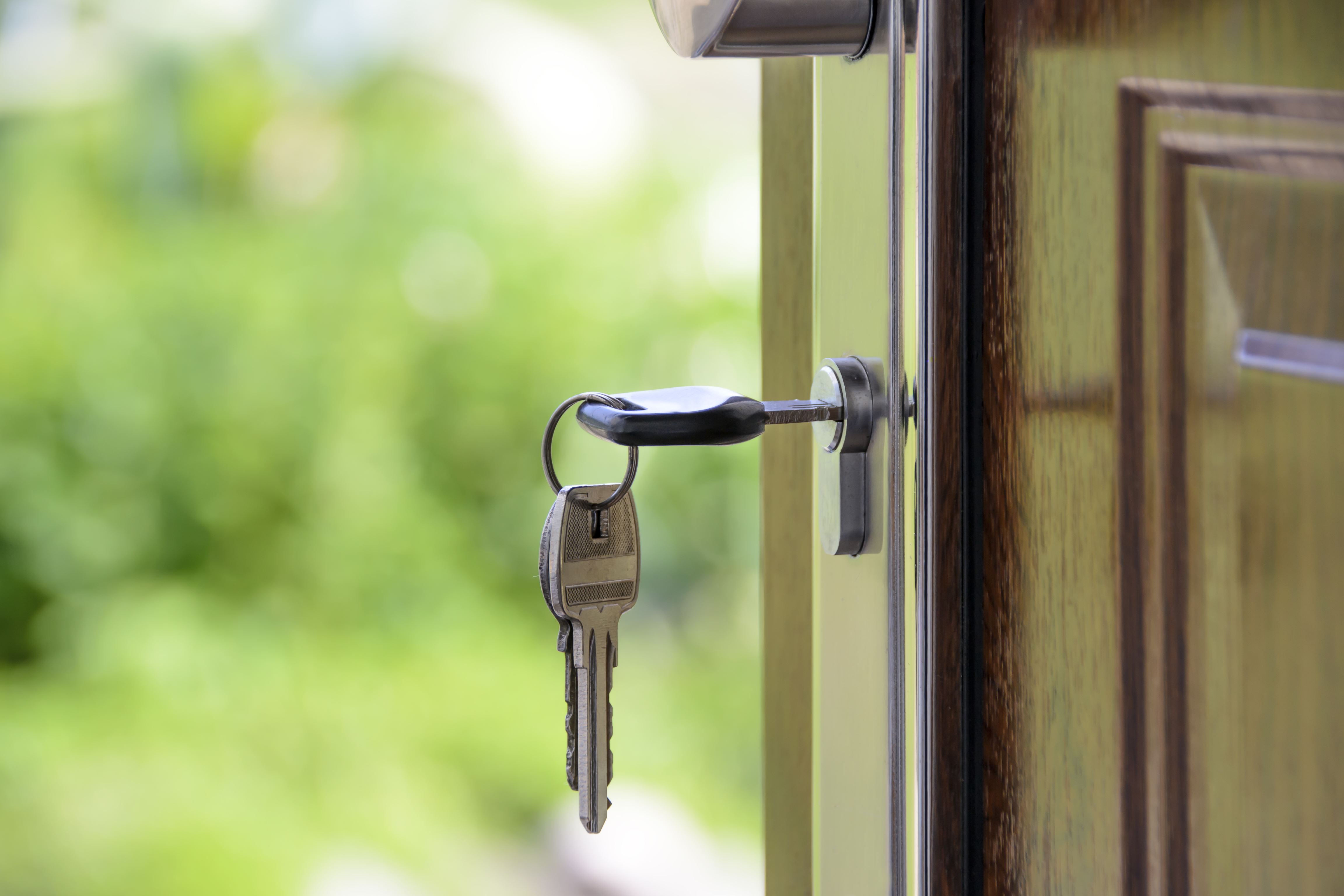
Top Tips for Renting Out Your Home
Renting out your home is a great way to generate some revenue. Right now, 35% of all Americans are renting! But before your put up that “for rent” sign, there are some things you need to be aware of. These are some tips that can help you in the process of renting out your house. You’ll want to be careful about your decisions. Having a poor tenant or overlooking something can become an issue if you are not cautious.
1. Find a Good Tenant and Figure Out How Much to Charge
This part is important when renting out your home. A good tenant can make your life a lot easier in the long run. You should consider multiple people, and not just the first person who has interest in renting your property. This way you can determine who you want living on your property. You should also figure out how much rent to charge. The best way to do this is to look up similar rent listings in your area. By doing so, you can offer comparable rent prices.
2. Draw Up a Lease
A lease is a signed agreement between you and the person who will be renting your home. You may want to consider consulting a lawyer to help draw out a good lease. In general, you’ll want your lease to include the following items (sourced from Military.com):
- The lease term – how long your tenant will occupy your property
- A security deposit
- Rent payment due dates and any fees that they may incur if they pay rent late
- Repair responsibilities
- Home maintenance responsibilities
- The list of tenants
- Rules regarding tenant behavior (noise level, smoking, etc.)
- Policies regarding pets
- Any other fees that the tenant is responsible for paying
- Eviction terms
3. Protect Your Property With a Landlord’s Policy
In order to help protect your home while you are renting it out, you should get a landlord policy. It is also referred to as dwelling fire insurance. This type of speciality insurance coverage only helps to protect your financially from damage of the property. It does not cover damage for the tenant’s personal property. This policy also differs from a regular homeowners insurance policy. a Landlord’s policy is typically about 20% higher than your homeowners insurance policy. A landlord’s policy includes coverage for:
- The dwelling
- Attached structures
- Detached structures
- Personal property left on-site for maintenance or tenants’ use (this may include appliances, furniture, lawnmowers, etc.)
- Rental income lost in the event of a disaster where your tenant is without a home to live in
- Liability coverage for legal fees, due to injury claims, and medical expenses should a tenant or one of their guests gets hurt on the property
4. Encourage Your Tenant to get a Renters Insurance Policy
A renters insurance policy will help protect their belongings in case of an accident or unforeseen event. Your landlord policy will not protect their things if something goes wrong, which is why it is best if they get renters insurance. They should contact their insurance agent to determine how much coverage they need to help protect their belongings. Sometimes, you cannot prevent accidents from happening, so it’s best to be prepared.
5. Other Considerations
There are other things to consider than those listed above. For example, you may want to consider getting an umbrella insurance policy to add a bit more coverage and peace of mind. You may want to think about hiring a property manager. That way, you won’t have to directly deal with the headaches of being a landlord. You should also discuss how to evict a tenant, if it comes down to it. It’s always better to be over prepared, although it may not come down to such measures.
Whenever considering an insurance policy, consult your insurance agent. They can help you get the right coverage you need. Each person’s situation is different, and so policy can vary drastically from person to person. Likewise, each property is unique, so your landlord insurance or renters insurance can differ greatly. Be sure to discuss all options with your insurance agent. They can also help you find potential discounts. Your agent is your best resource to getting the appropriate amount of coverage for your property.
You can call an Encharter Insurance agent at 888.754.8299 to talk about renting out your property!

Sources:
http://www.military.com/money/home-ownership/rental-property/6-tips-for-renting-out-your-home.html
http://www.realtor.com/advice/rent/how-to-rent-your-house/
Read More
Recent Comments