Hurricanes, Earthquakes & Connecticut Home Insurance
Just what New Jersey needs: an earthquake as they try to rebuild after Hurricane Sandy. At 1:19am today, the Ringwood area suffered a 2.0 magnitude earthquake. That same area is already dealing with power loss and downed trees. Luckily, there was no damage reported from the earthquake; just a loud boom and some shaking on the second floor of homes. When... Read MoreJust what New Jersey needs: an earthquake as they try to rebuild after Hurricane Sandy. At 1:19am today, the Ringwood area suffered a 2.0 magnitude earthquake. That same area is already dealing with power loss and downed trees. Luckily, there was no damage reported from the earthquake; just a
loud boom and some shaking on the second floor of homes.
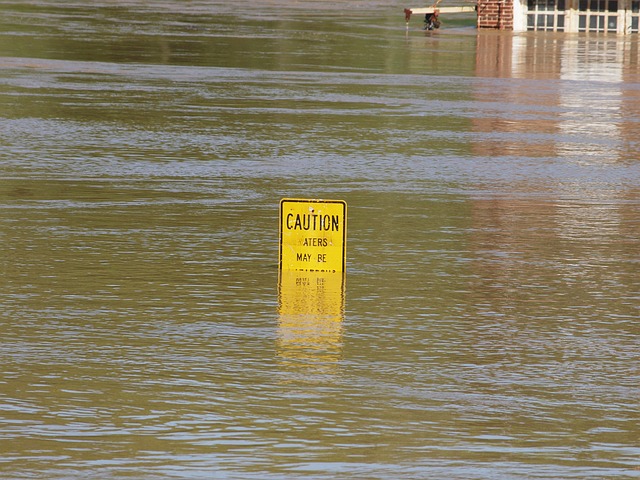
When did hurricanes and earthquakes become a threat to areas like New York, New Jersey, Connecticut, and Massachusetts? I guess you just can’t predict what will happen next. This makes it even more important to be prepared for anything. Most people aren’t aware that their home insurance won’t give them the coverage they need for flooding. If your home is damaged by flooding, whether it is from water off the coast, heavy rain, or even melting snow, you will need Connecticut Flood Coverage for the best protection for your home and possessions. What other coverage should you consider adding to your home insurance policy?
 Before winter hits, talk with your agent about your Connecticut
homeowners insurance policy and what kind of coverage you have for severe
weather damage. With this weather already hitting in fall, it’s hard to plan
for what could happen this winter and even having earthquake insurance
may become a good idea in our area. We may have slid under Mother
Nature’s radar last year with snow, but something tells me we may not be as
lucky this year. Let’s all cross our fingers for a calm winter, but remember
how important it is to be prepared for the worst. If something were to happen
to your home, you have enough on your plate to worry about; don’t let covering the damage without insurance become an added stress in the aftermath of a storm.
For more flood insurance information, please visit our Flood Insurance Resource Center.
-->How to Prepare for Hurricane Sandy
This past week, we cannot turn on our TV or open a newspaper without seeing something about Hurricane Sandy or as she’s now being called “Frankenstorm”. Take all the talk of Sandy as a warning and start preparing your home for a possible storm. As she travels through the Bahamas and after killing 21 people in the Caribbean, it’s time to... Read More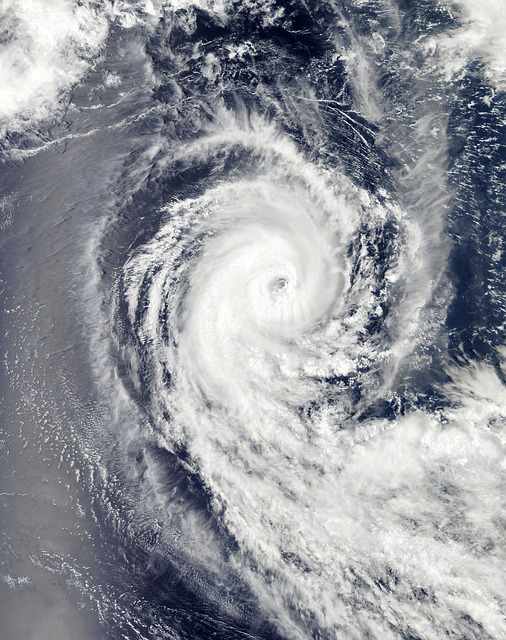
This past week, we cannot turn on our TV or open a newspaper without seeing something about Hurricane Sandy or as she’s now being called “Frankenstorm”. Take all the talk of Sandy as a warning and start preparing your home for a possible storm. As she travels through the Bahamas and after killing 21 people in the Caribbean, it’s time to start preparing ourselves on the East Coast for what could be a terrible storm.
Ways to prepare before the storm:
- Have a family emergency plan. Make sure you have a safe place to go, if you have an older home, this may mean staying with friends or family. Be prepared that if you live or work in a high rise building you’ll need to take shelter in lower floors. Make sure you also have emergency contacts ready. Make a list of emergency phone numbers and contact information.
- Make sure you have water (at least one gallon per person per day and prepare a three-day supply). Also stock up on food and other provisions. Prepare a three-day supply of non-perishable (canned or dried) food per person; include baby supplies and pet supplies as needed.
- Make sure you have a first-aid kit and seven-day supply of medications and medical items.
- Personal documents such as medication list and medical information, proof of address, deed/lease to home, passports, birth certificates, insurance policies and contact information for your home insurance agent. Keep these in a plastic bag.
Some more great tips that you will find in the list also include what to do during the storm. For example, it’s important to keep refrigerator and freezer doors closed, turn off or unplug your propane tanks, appliances, and other electronics. Stay inside! If you do go outside, stay away from loose power lines, avoid flooded roads, and wear protective clothing and closed-toe shoes.
While you’re preparing your home and family for what may happen before or during the storm, it can be easy to forget to prepare for the aftermath of a storm. If something were to happen to your personal property and your home, where would you stand? Carriers have already started to restrict policy coverage changes and new policies on agents, so it’s important to act now if you have questions about coverage on your Massachusetts or Connecticut home insurance. Please be reminded that coverage for water damage on your home is dependent on policy and potentially very limited, the basic water coverage usually includes malfunction for equipment such as pipe blockage and sump pump failure–simply having water in your basement is not necessarily covered on your home insurance policy. The best way to know how you are covered is by contacting your agent about your current insurance coverage and possible additions you may need to protect yourself. You also may want to ask your agent about a Connecticut or Massachusetts Flood Insurance Policy. While flood insurance doesn’t officially kick in until 30 days after purchase date, Hurricane Sandy is a good reminder that it may be a good idea to have that extra coverage for the future!
For additional flood insurance information, as well as the latest news, check out our Flood Insurance Resource Center.
-->